Southwark Council rules for roadside floral displays in Peckham
Posted on 18/10/2026
Southwark Council rules for roadside floral displays in Peckham: a practical guide
If you are planning a roadside floral display in Peckham, the details matter more than people expect. A few planters on a pavement edge, a tribute arrangement outside a shop, or a seasonal display near a frontage can look simple enough, yet local rules, safety concerns, and street-use expectations can change what is allowed. This guide explains the Southwark Council rules for roadside floral displays in Peckham in plain English, so you can make a sensible plan without guessing your way through it. You will find the practical steps, the compliance issues that usually catch people out, and the best ways to keep a display attractive without causing problems for passers-by.
Truth be told, most issues around roadside floral displays are not about flowers at all. They are about visibility, access, liability, and whether the display becomes an obstruction on a busy London pavement. Let's make it easier.
Why Southwark Council rules for roadside floral displays in Peckham Matters
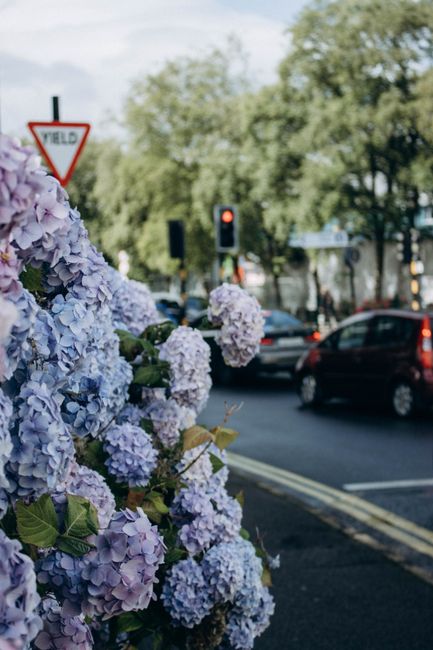
Roadside floral displays sit in a tricky space between public charm and public responsibility. Peckham has busy high streets, side roads with tight kerbs, regular deliveries, and plenty of foot traffic. A display that feels harmless from inside a shop can look very different to someone pushing a buggy, a wheelchair user, a delivery rider, or a person with limited sight. That is why council rules exist and why they should be taken seriously.
In practical terms, Southwark Council will be concerned with whether the display:
- blocks the footway or reduces usable pavement width
- creates a trip hazard, especially in poor weather or at dusk
- obstructs visibility for drivers, cyclists, or people crossing side roads
- interferes with cleaning, maintenance, or emergency access
- puts flowers, stands, water containers, or frames where they could fall or be moved by wind
There is also a reputation point here. A neat roadside display can make a frontage feel cared for and local. A cluttered one can look messy very quickly. One knocked-over planter, one wet patch, one awkwardly placed signboard, and the whole thing starts to feel less like charm and more like a problem. Nobody wants that. Not the business, not the council, not the people walking past.
The real reason this matters is simple: if you understand the rules early, you can design a display that works in the real world instead of creating a row later on.
Key takeaway: roadside floral displays are usually judged less by how pretty they are and more by whether they are safe, accessible, and properly placed.
How Southwark Council rules for roadside floral displays in Peckham Works
There is rarely a one-size-fits-all answer, which is slightly annoying, but that is how most local-street matters work. The rules are normally applied by looking at the location, the type of display, and the effect it has on the public highway. A small arrangement in a stable container may be treated very differently from a large display that projects into the footway or sits near a road edge.
For a Peckham premises, the first question is usually whether the display is on private land or on the public highway. That distinction matters a lot. If it is on private frontage behind the boundary, you normally have more freedom, although planning, lease, insurance, and landlord restrictions may still apply. If it sits on the pavement or touches the highway, the council is much more likely to care.
Here is the broad way these cases tend to work in practice:
- Assess the exact location. Is the display entirely off the highway, or does it touch a public pavement, verge, or kerb line?
- Check access width. People should be able to pass comfortably without weaving around obstacles.
- Consider visibility. Displays near junctions, crossings, or driveways need extra care.
- Think about stability. Plants, stands, and weights must stay put in wind, rain, and busy foot traffic.
- Confirm permission if needed. Where highway space is involved, ask what the council expects before placing anything out.
- Review ongoing maintenance. A display is not "set and forget"; it needs trimming, watering, and regular checks.
If you are working through this for a shop, cafe, salon, community venue, or memorial setting, the safest move is to treat the roadside display as a managed public-facing feature, not just decoration. That mindset saves a lot of trouble later. It really does.
Many people also overlook that the council's concerns can change over time. A display that was fine in calm summer weather may become less suitable in wet, dark winter conditions, when the same pavement suddenly feels tighter and more slippery. A simple flower basket can become a nuisance if it leaks onto the paving. Small detail, big effect.
Key Benefits and Practical Advantages
When done properly, roadside floral displays can do more than brighten a street. They can support a business's identity, mark a special occasion, and create a sense of care that people notice immediately. In Peckham, where streets can feel lively and fast-moving, even a modest display can soften a frontage in a way that signage alone never will.
Some of the real advantages include:
- Better kerb appeal: flowers create warmth and visual interest without shouting for attention.
- Local character: a well-chosen display can feel rooted in the neighbourhood rather than generic.
- Seasonal flexibility: displays can shift from spring colour to autumn texture without major redesign.
- Customer experience: people often slow down when they see something thoughtfully arranged.
- Event support: roadside flowers can help with weddings, memorials, openings, or community occasions.
There is also a subtle trust effect. People often assume that a business that keeps its frontage tidy probably keeps the rest of the operation tidy too. Fair or not, that first impression matters. Especially on a busy street where folks are making snap judgements while walking past with a coffee or a bag of shopping.
From a practical point of view, the best floral displays are the ones that feel intentional. Not overstuffed. Not flimsy. Just tidy, well-scaled, and stable.
And if you are comparing options, sometimes a smaller display that stays compliant and elegant will outperform a bigger one that tries too hard. Bigger is not automatically better. It can be a bit of a trap, to be honest.
Who This Is For and When It Makes Sense
This topic is relevant to more people than you might expect. It is not just for florists. If you are in Peckham and planning anything floral near the road, you may need to think about these rules.
- Independent shops and cafes wanting flower buckets, planters, or seasonal frontage displays
- Florists installing outdoor arrangements for weddings, funerals, or commercial clients
- Event organisers creating street-facing floral features for launches or community events
- Property managers responsible for frontage presentation and access
- Families and individuals placing roadside tributes or commemorative flowers
- Community groups decorating a public-facing corner, entrance, or shared space
It makes sense to look at the council rules before the display goes out, not after. That sounds obvious, but in real life people often make the arrangement first and ask questions later. Then the clock starts ticking, petals are already open, and someone has to make a quick decision at the kerb. Not ideal.
If your display is temporary, low-profile, and clearly on private ground, you may only need internal approval from a landlord, managing agent, or venue. If the display sits on or near the public footway, or if it narrows access in any way, the council angle becomes much more important.
A good rule of thumb: if a stranger walking past would need to step around it, squeeze past it, or wonder whether it belongs there, you should pause and check the setup.
Step-by-Step Guidance
Here is a practical way to approach a roadside floral display in Peckham without overcomplicating it.
1. Identify the exact site boundaries
Start by looking at where the display would physically sit. Take a proper look at the pavement edge, kerb line, frontage, and any shared entrance points. A tape measure helps. So does common sense, which is free and surprisingly useful. If the arrangement is close to the public highway, assume extra caution is needed.
2. Decide whether the display is temporary or ongoing
A one-day tribute is different from a regular weekly frontage display. Temporary arrangements may be easier to manage, but they still need to be safe and stable. Ongoing displays need maintenance, and that means watering, dead-heading, cleaning up fallen petals, and checking whether pots have shifted.
3. Check for access issues
Ask yourself who needs to pass. Pushchairs, wheelchairs, mobility aids, delivery trolleys, schoolchildren, cyclists dismounting, older residents, everyone. If the display narrows the route awkwardly, it may need to be reduced or moved back. Accessibility is not a box-tick. It is the whole point of the exercise in many cases.
4. Choose a stable format
Planters, weighted containers, and compact arrangements usually behave better than lightweight displays. If the wind picks up, loose stems and toppy stands become a nuisance fast. In Peckham, where streets can be busy and the weather can shift from bright to blustery in about half an hour, stability is not optional.
5. Think about water and surface safety
Spilt water can create a slippery patch on paving slabs. That is one of those small things that feels harmless until somebody slides on it. Keep watering controlled and use containers that do not leak freely. If possible, position displays where any runoff will not travel across the main walking route.
6. Keep sight lines clear
Do not place tall arrangements close to junctions, crossings, driveways, or corner points where visibility matters. Even flowers can block a sight line if they are tall enough or densely arranged. A beautiful display that hides traffic is not really a beautiful display anymore.
7. Prepare a maintenance plan
Who checks it, when, and what happens if it gets damaged? That simple question saves headaches. A weekly check may be fine for some setups, while busier or more weather-exposed displays need more frequent attention.
8. Keep a record of decisions
If you are managing the display for a business or event, make a short note of where it sits, who approved it, and what safety checks were done. It is not glamorous, but it is sensible. If a query comes up later, you will be glad you did it.
Expert Tips for Better Results
After looking at plenty of frontage displays over the years, a pattern shows up very quickly: the best ones are not the flashiest. They are the best balanced. The flowers, container, space, and footfall all need to work together. That balance is where the difference is.
Here are a few practical tips that genuinely help:
- Use fewer, stronger pieces. One solid display often looks better than several scattered items.
- Match the scale to the street. Peckham pavements can feel tight; a display that works on a quiet forecourt may be too much for a busier stretch.
- Choose robust stems and containers. Fragile flowers can look lovely indoors but become tired quickly outside.
- Keep colours intentional. A tighter palette usually reads as more professional than a random mix.
- Plan for bad weather. Wind, rain, and traffic spray change everything.
- Refresh before it looks tired. Drooping blooms give the wrong impression very quickly.
There is also a small but important point about scent. Heavy fragrance can be charming near an entrance, but on a narrow pavement it can feel overpowering if the display is oversized. That is not a legal issue by itself, but it can influence how people experience the frontage. A subtle scent is often enough.
One more thing: if the display is for an event, give yourself time for a site check in daylight and then again at dusk. It is surprising how different everything looks at 5.30 pm when the light drops and the street gets busier.
Common Mistakes to Avoid
Most problems with roadside floral displays are very ordinary. That is the annoying part. They are avoidable, but only if someone notices them early.
- Assuming it is fine because it "looks nice" - appearance does not override access or safety.
- Placing displays too close to the kerb - traffic spray, dirt, and contact with passing vehicles become real issues.
- Using unstable containers - lightweight pots can shift, tip, or crack.
- Blocking a narrow pavement - one display can make a tight route awkward very quickly.
- Ignoring cleaning and maintenance - falling leaves, petals, and soil are part of the job.
- Forgetting visibility at corners - tall flowers near junctions can be a problem.
- Leaving the display out after the event - temporary setups should be removed on time.
A classic mistake is setting up a lovely arrangement on Friday and assuming Monday will look after itself. It won't. Weekend weather, foot traffic, and general street life tend to have their own opinions.
Another common issue is not defining who owns the responsibility. If several people are involved, the display can become everybody's job, which usually means nobody's job. A little blunt, but true.
Tools, Resources and Recommendations
You do not need fancy kit, but a few basic tools make a roadside floral display much easier to manage.
- Measuring tape for checking width and placement
- Weighted pots or stands to reduce movement
- Watering can with control spout to avoid spillages
- Pruning shears for quick tidy-ups
- Cleaning cloths or a small brush for soil and debris
- Reflective markers only if they are genuinely needed and do not create extra clutter
- Simple inspection notes for maintenance checks
For product choices, think practical first. If you are selecting flowers for an outdoor-facing arrangement, sturdier seasonal stems often hold up better than delicate varieties. If you need inspiration for a natural, understated look, styles such as Natural Poetry or Garden Stroll can suit a softer roadside feel without looking overworked. For something brighter and more visible from a distance, Colourful Delight or Vibrant Delight can create a stronger visual cue.
If you are managing a broader floral service in the area, it can also help to review your general delivery and care processes. Pages like flower care and delivery are useful reference points for keeping arrangements in good condition once they leave the shop or studio.
For readers comparing options for local supply, it may be worth checking the florist's broader offering too. A dependable Peckham florist should be able to advise on display scale, timing, and suitable stems for an outdoor setting. Sometimes that conversation is more valuable than the bouquet itself.
Law, Compliance, Standards, or Best Practice
Because roadside floral displays touch on the public highway, they can overlap with local authority control, access obligations, and general public-safety duties. The exact position depends on the location and the nature of the display, so it is wise to avoid making assumptions. If your display is near or on a public pavement, you should treat it as something that may need permission or at least a check against council expectations.
In practice, the safest best-practice approach is to apply the following standards:
- Keep the walking route clear. Do not force people into the road or into awkward detours.
- Avoid fixed obstructions. A display should not create a hazard if it is knocked, blown, or moved.
- Respect visibility at junctions. Sight lines matter for everyone using the street.
- Use stable, weather-resistant materials. Outdoor-facing floral work must cope with ordinary London weather.
- Maintain a tidy frontage. Dead flowers, spilled soil, and broken containers reduce safety and appearance.
If a display is tied to a broader service or event setup, you may also need to think about your own internal controls, insurance position, and responsibilities under site management arrangements. A good business should be able to explain what happens if something shifts, topples, or needs to be removed quickly. That is not over-cautious. That is just good practice.
The simplest sensible rule is this: if there is any doubt about whether the display could inconvenience pedestrians, hinder access, or attract enforcement attention, pause and review it before it goes out.
Options, Methods, or Comparison Table
Not every roadside floral display needs to be built the same way. The right choice depends on the purpose, the amount of space available, and how much maintenance you can realistically handle.
| Option | Best for | Pros | Watch-outs |
|---|---|---|---|
| Small planter arrangement | Narrow frontages and short-term displays | Easy to place, easier to maintain, usually less intrusive | Can look lost if undersized; may dry out faster |
| Weighted flower stand | Shopfronts and promotional displays | Visible, flexible, often attractive from a distance | Must be very stable; can obstruct if too wide |
| Low basket or posy display | Tributes, memorials, and subtle decoration | Gentle look, less likely to block sight lines | Still needs tidy upkeep and secure placement |
| Seasonal themed frontage | Longer-running business displays | Can build brand identity and local recognition | Requires a maintenance plan and regular refreshes |
If you are unsure which approach is right, start smaller. That is usually the safest move. You can always build up later once you know how the location behaves in real use. A windy corner on a Friday afternoon may teach you more than a dozen planning notes.
Case Study or Real-World Example
Picture a small Peckham shopfront on a fairly busy street. The owner wants a floral display outside the entrance to make the place feel more welcoming, and the idea is good. Without care, though, the arrangement could end up clipping the pavement edge, gathering grit from passing traffic, and making it harder for two people to pass side by side.
So the setup is changed. Instead of several loose pots, the owner uses one stable display closer to the frontage, with a lower profile and a clear margin from the walking route. The flowers are chosen for resilience rather than delicacy, and water is applied carefully so the pavement stays dry. The display is checked in the morning and topped up midweek. Nothing dramatic. No grand theory. Just sensible decisions.
The result is better than the original plan. It looks intentional, not crowded. It is easier to maintain. And most importantly, people can walk past without hesitation. That is the sort of outcome council rules are trying to support. Not to stop businesses from decorating, but to keep decoration compatible with everyday street life.
The same principle applies to roadside tributes. A respectful floral arrangement can be very meaningful, but it still needs a placement that does not create conflict with access or safety. Quiet dignity and public practicality can sit together just fine. They really can.
Practical Checklist
Use this checklist before you place a roadside floral display in Peckham:
- Have I confirmed whether the display is on private land or near the public highway?
- Will pedestrians still pass comfortably without stepping into the road?
- Is the display stable enough for wind, rain, and everyday foot traffic?
- Does it keep junctions, driveways, and crossing points clear?
- Have I checked whether the council may need to be consulted?
- Have I thought about water runoff and slippery surfaces?
- Is there a maintenance plan for dead flowers, debris, and damage?
- Have I considered visibility at night or in dull weather?
- Do I know who is responsible for removal if the display is temporary?
- Would this still look safe and tidy after a long, busy day on the street?
If you can answer "yes" to most of those, you are probably on the right track. If not, slow down a bit. Better to adjust early than deal with complaints later.
Get a free quote today and see how much you can save.
Conclusion
Southwark Council rules for roadside floral displays in Peckham are really about one thing: balancing street beauty with public safety and access. If you keep that balance in mind, the rest becomes much easier. Measure the space, respect the pavement, choose stable materials, and think about how the display works in real conditions, not just how it looks when you first step back and admire it.
The best roadside floral displays feel calm, thoughtful, and well placed. They lift a street without getting in the way of it. That is the sweet spot, and it is absolutely possible to reach it with a little planning. Simple, really. Not always easy, but simple.
And if you are still deciding what to do next, start with the safest version of your idea, then refine it from there. That approach saves time, money, and a fair bit of stress too.
Frequently Asked Questions
Do I need permission for roadside floral displays in Peckham?
If a display sits on or affects the public highway, you may need permission or at least confirmation that it is acceptable. The exact requirement depends on the location, size, and impact of the display.
Can I put flower planters on the pavement outside my shop?
Not automatically. Pavement planters can be treated as an obstruction if they narrow access or create a hazard. Always check the placement carefully before assuming it is fine.
What makes a roadside floral display unsafe?
Common issues include blocked footways, unstable containers, water spillages, poor visibility at junctions, and anything that could trip or divert pedestrians into the road.
Are temporary floral tributes treated differently from permanent displays?
Often, yes. Temporary tributes may be more flexible, but they still need to be safe, tidy, and suitable for the setting. Temporary does not mean unrestricted.
What should I do if my display keeps blowing over?
Use heavier containers, reduce height, and move the arrangement away from exposed spots. If it still shifts, the layout probably needs a rethink rather than more tape or hopeful thinking.
How wide should a walkway remain?
That depends on the location and local conditions, but the key idea is simple: people should be able to pass comfortably, including wheelchair users, pushchairs, and delivery trolleys.
Can flowers near the kerb create a problem for drivers?
Yes. Tall or bulky displays can affect sight lines, especially near corners, driveways, and crossings. Even attractive flowers can become a visibility issue if they are placed badly.
What flowers work best for outdoor roadside displays?
Hardier seasonal flowers and sturdy arrangements usually perform best. The right choice depends on exposure, sunlight, wind, and how much maintenance you can manage.
Should I keep a record of the display setup?
Yes, that is sensible. A simple note of the layout, checks, and responsibility can be helpful if questions come up later. It takes a minute and can save a lot of bother.
What is the safest first step if I am unsure?
Measure the space, review the access impact, and confirm whether the display touches the public highway. If in doubt, keep the design smaller and more contained until you are certain.
Can a florist help with compliance as well as design?
A good local florist should be able to help with both. In practice, experience with street-facing installations is very useful, because the prettiest arrangement in the world still needs to work on the pavement.
What is the biggest mistake people make with roadside floral displays?
Usually it is assuming that a nice-looking display is automatically acceptable. Safety, access, and stability always come first. The flowers come after that, lovely as they are.


